Figure Out When Heat Transfer Review Is Ask Fraser
Thermal compound buying guide
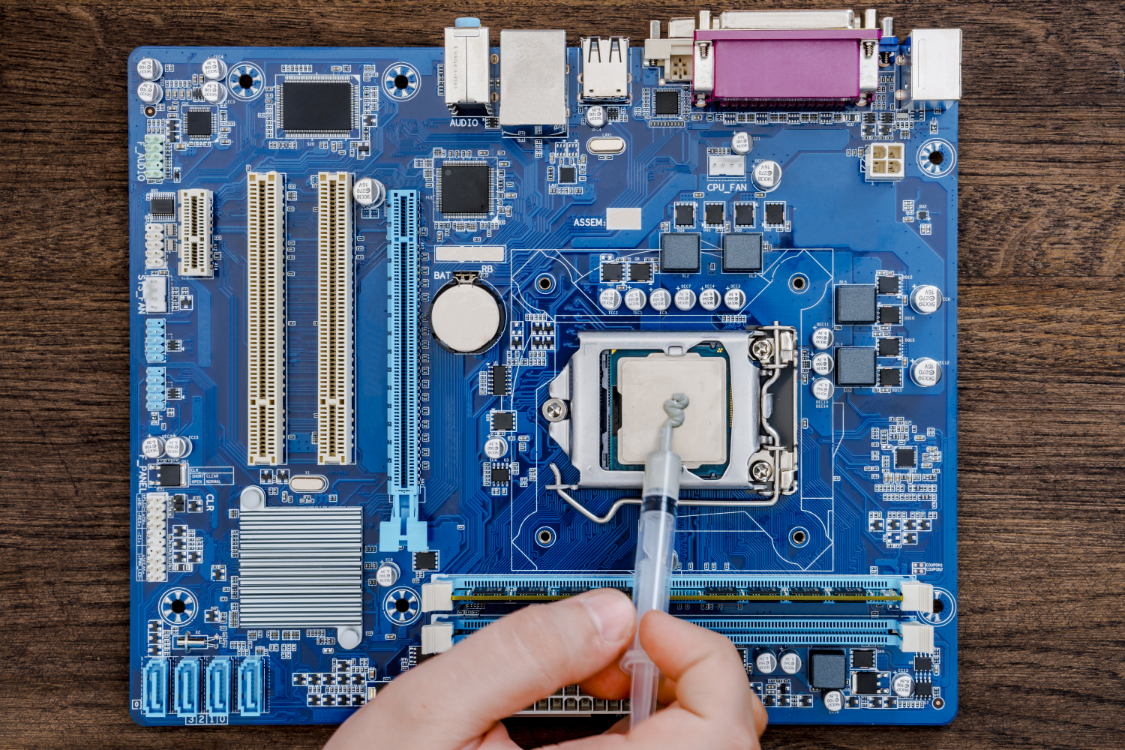
Coolers come with thermal compound pre-practical, but for PC enthusiasts who want to achieve improved temperatures at stock speeds, information technology's a practiced idea to buy and apply new paste when installing their CPU. This is considering the thermal chemical compound that comes with the cooler is oft quite old, as it's been sitting on some shelf for months earlier beingness purchased. And then while it might work to keep the temperature of their processor low, it's non likely to produce the best results.
The thermal paste also needs changing annually. It eventually dries out and begins to lose its effectiveness. When it'south left too long, the computer starts to experience performance issues and information technology gradually overheats. This can cause impairment to the CPU over fourth dimension.
This article explores the factors buyers demand to consider when choosing the right thermal compound that volition give their rig the absolute best cooling operation.
What is Thermal Compound and Why is it so Of import?
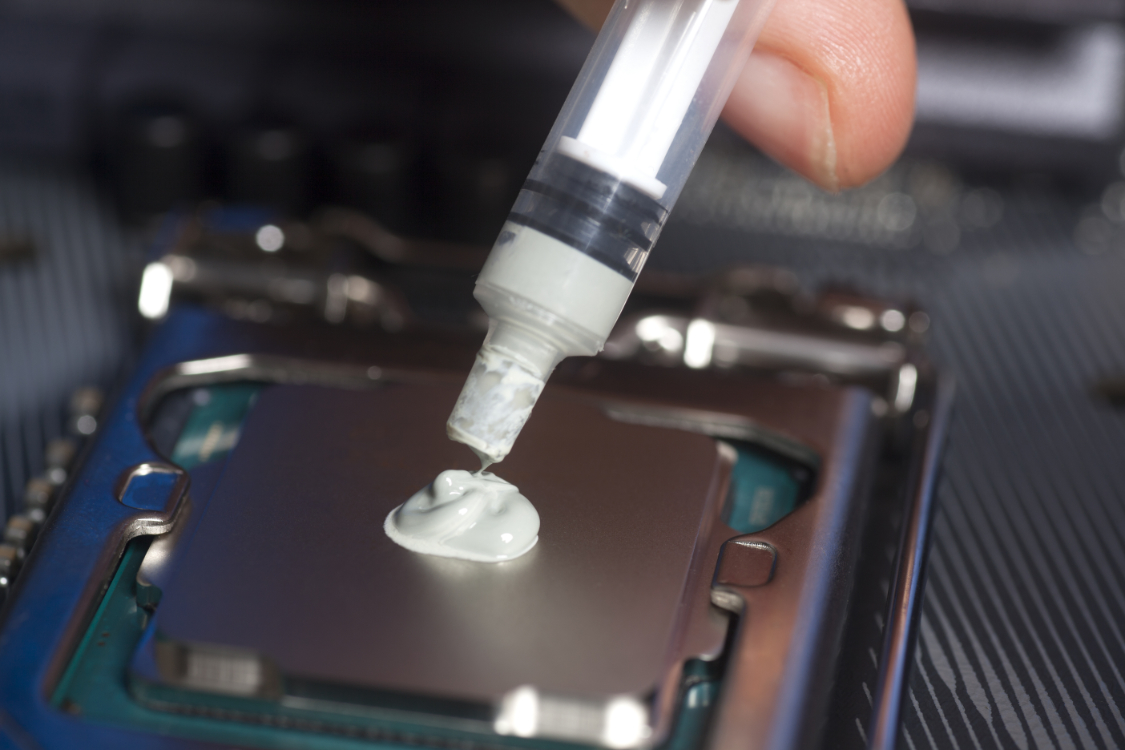
Also called thermal paste, thermal grease, or conductive grease, this compound is a oestrus-conductive substance that is applied between the heatsink and the device it'south meant to cool. It improves conductivity betwixt the heatsink and the CPU. The heatsink dissipates the excess free energy produced past the processor safely away from the unit, where the heat is pushed out by the fan or some other cooling apparatus.
This thermal interface material tin can also exist applied between other components to help the system maintain a healthy temperature. This leads to a significant improvement in thermal functioning and helps to forbid overheating which, in turn, increases the longevity of the CPU.
That's why a thermal chemical compound is of import – specifically a high-quality ane from outstanding brands like Artic Silvery, Noctua, Cooler Main, and Thermal Grizzly.
How a Thermal Compound Works
A thermal compound works in a very simple way to help improve heat conduction. CPUs, heatsinks, and coolers accept pocket-sized imperfections on them that are imperceptible to the naked eye. These tiny flaws have the power to trap air and this brings down the heatsink's general performance. As yous probably know, air is not good for heat conduction – and heatsinks are designed to conduct estrus.
The thermal compound works to shine out these microscopic spaces on and between the surfaces, making them work in the best way possible. The heatsink is then able to efficiently transfer the estrus abroad from the component generating it.
Since the grooves between the heatsink and the processor aren't perfectly even, the thermal chemical compound is perfect for use as a conduit to facilitate meliorate rut transfer. All the energy is absorbed by the CPU grease to ensure it just flows to the heatsink and not to any of the computer'south internal circuitry – something that is of particular importance for gaming PCs.
Not All Thermal Paste are the aforementioned
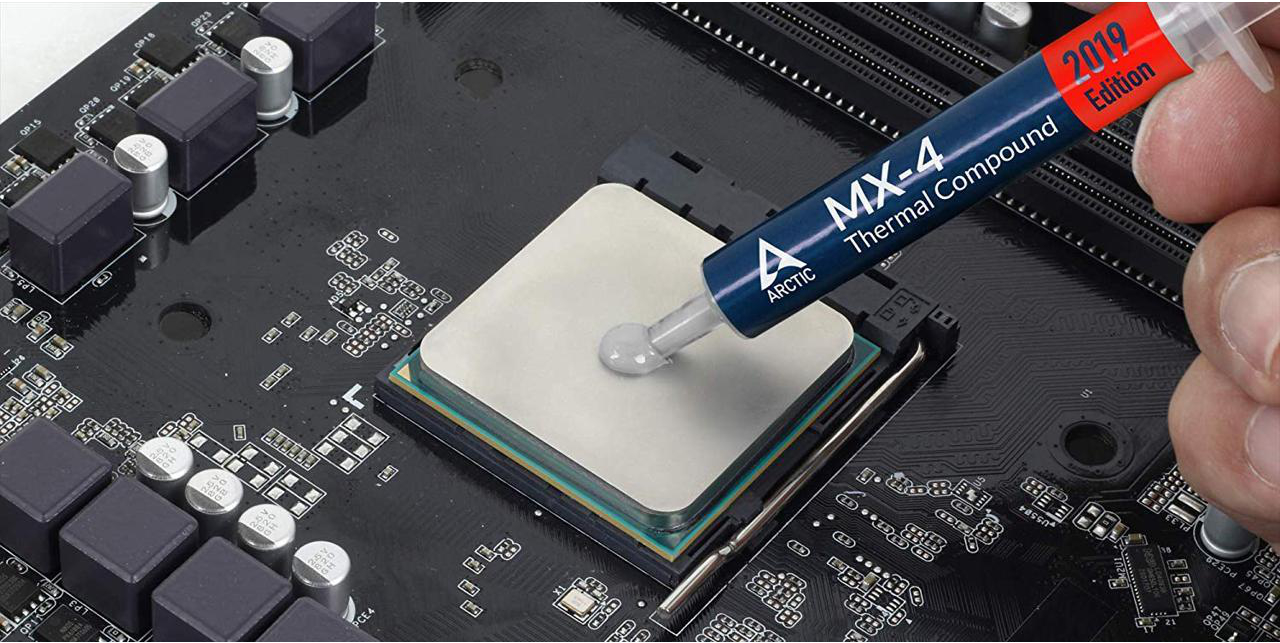
Since thermal compounds are a high-margin product, it's no surprise that the marketplace is so crowded. But it'southward vital to notation that the products aren't all alike. The upper temperature limit of a liquid metal thermal paste can reach 150°C, although there are some pastes on the market that merits to be able to withstand temperatures of up to 300°C, and even more.
The composition of a compound determines its thermal and electrical conductivity, its immovability, and its viscosity. Pastes are made of a broad range of ingredients including:
- Zinc oxide
- Silicone oil
- Ceramic
- Aluminum
- Copper
- Silvery
- Graphite
- Carbon nanoparticles
- And diverse anti-oxidation agents
PC enthusiasts can opt for a metal, silicon, carbon-based, or ceramic thermal compound, but it's crucial to choose one with the ideal properties to cater to their specific needs.
For instance, a gamer with a CPU that's overclocking at breakneck speed needs to have the assurance that all the heat is being efficiently moved away from their computer's internals, and then they might choose a metal paste which has the best conduction backdrop.
Metal Thermal Compounds
These are the nearly effective heat conductors, but they are also very electrically conductive. This means that farthermost care must exist taken when applying the paste on the motherboard's metallic contacts.
Ceramic Thermal Compounds
These don't contain any metallic, which means that they are not conductive. These are significantly cheaper, safer to use, and they provide great results. That is why they are so pop. Notwithstanding, they won't provide as large a subtract in temperature as the liquid metal thermal paste does.
Silicone Thermal Compounds
These are pre-practical to thermal pads which are then placed between the processor and the heatsink. Silicone thermal pastes are very like shooting fish in a barrel to use, but they don't offering the same effectiveness as the other types of compounds.
It's all-time to avoid agglutinative rut sink paste every bit it permanently sticks to any components information technology is used on. So, if the need ever arose to supercede the cooler, for instance, at that place would be problems in doing so.
Things to Consider When Buying Thermal Paste
Getting the incorrect kind of paste will not only increase the PC temperature but it may as well worsen its functioning. Fairly applying the right thermal gel will keep the CPU/GPU cool without overclocking or overheating.
These are a few factors for computer enthusiasts to consider before purchasing a thermal chemical compound that will piece of work best to improve the temperature, as well as the operation of their PC.
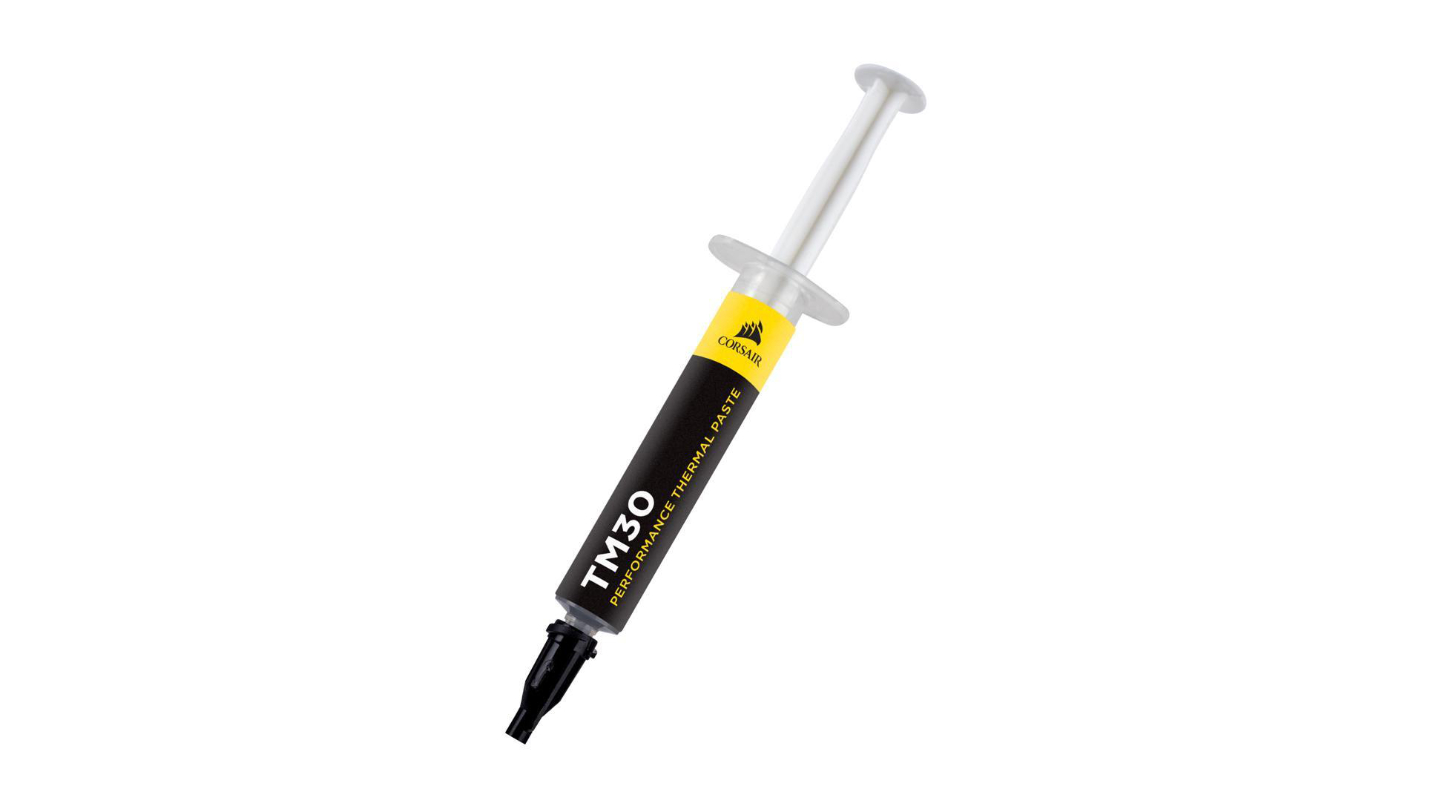
Circular-end Transmission Button Plunger
4g Thermal Conductivity Butt
Thermal Electrical conductivity
The 2d gene to consider is the thermal conductivity of the paste. Information technology's important to cull a paste with the proper thermal conductivity levels to provide high versatility and total reliability to keep your system safe and cool. Each thermal paste comes with its own thermal conductivity rating for how efficient it is at transferring heat from the processor to the heatsink. When the thermal conductivity of a paste is more than the temperature of the components, then information technology's reduced even more.
Liquid and non-metal compounds take dissimilar conductivity levels. For the liquid thermal paste, it'south typically 70W/mK (watts per square meter of the surface area), while non-metallic compounds take a conductivity of betwixt 4-10W/mK. As a general rule, the college the number rating, the better the compound is going to be at rut conduction.
Density and Viscosity
In lodge to heighten the process of awarding, it's important to choose a thermal paste that has the right density. This will allow it to clasp throughout the CPU easily. Liquid thermal paste has a significantly lower density than normal thermal paste, but information technology'south also notoriously hard to apply. When choosing the right paste, care must too be taken to ensure that the paste has the correct consistency for applying it directly to the CPU or GPU without risking damage to the components.
The college the viscosity of the compound, the thicker it volition exist so that it looks more than like an actual paste. This type of paste is typically better for sticking the heat sink chemical compound to the processor. Compounds with lower viscosity are typically more liquid, and these tend to leak onto the motherboard easily when as well much of the chemical compound is used.
Conductive or Non-Conductive
Applying a thermal chemical compound to the processor or other parts of the PC requires absolute care because it's possible to feel harmful short circuits if the paste can conduct electricity. To ensure that there are no short circuits when applying the compound, information technology's a good idea to cull a carbon-based chemical compound that is free from any electrical electrical conductivity. A compound with low conductivity tin can also be chosen to allow application without shorts, fifty-fifty if the paste touches any of the electrical components.
TDP (Thermal Design Ability)
The thermal design ability shows the corporeality of power that a processor is going to use. This can be used equally an guess to determine how hot it is going to get. A processor with higher TDP is likely to use more than power and, therefore, generate a lot more estrus. This is something else to consider when choosing the all-time thermal compound to ensure that it tin can handle the estrus generated to proceed the components rubber, cool, and performing at their all-time. The TDP is listed on the processor specs.
Cooling Solution
Fifty-fifty with the best thermal chemical compound on the market, information technology will be next to impossible to bring down the temperature of a system if the cooling solution beingness used is not a very effective ane. PC users need to brand sure that the cooling system they're using is one that can fairly deal with the level of heat that their processor generates. If not, and so the blazon of thermal compound chosen isn't going to affair.
How Much Thermal Compound Should I Use?
Use only a pea-sized amount of paste. Apply it to the center in gild to allow the heatsink to push the substance down onto the CPU. This is a smashing technique to prevent spreading the paste over the heat spreader and the method works particularly well with less viscous solutions. When using a liquid compound, apply a newspaper-thin layer over your CPU using just a dot of the substance on either side of the CPU.
What is the Shelf Life of Thermal Compounds?
Virtually manufacturers specify a shelf life of upwardly to three years for packages that are unopened. Notwithstanding, that does not take into consideration the date the tube was produced. This ways that even when enthusiasts buy compounds new, they may have been sitting on some shelf for quite a while which makes it likely that the compound has already degraded. Information technology's e'er a good idea to purchase conductive grease and other thermal compounds from larger shops with faster turnover, every bit a preventative measure.
Thermal Chemical compound Products
Here is a list of suggested thermal pastes, each with information technology's own pros and cons.
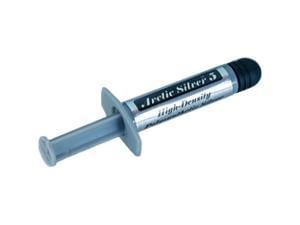
Main Characteristic
Made With 99.ix% Pure Silver
Thermal Conductivity
viii.5 W/mK

Main Feature
High-tech Nano Diamond Particle Heat Chemical compound
Thermal Conductivity
8.v W/mK

Chief Feature
metal-free and non-electrical conductive which eliminates any risks of causing short circuit
Thermal Conductivity
viii.5 Westward/mK

Master Feature
Reliable rut transfer of temperatures up to 80 degrees
Thermal Conductivity
8.5 W/mK
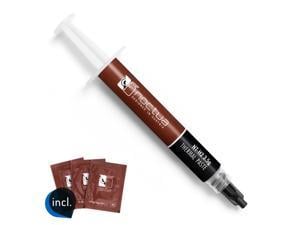
Main Feature
Piece of cake to apply (no demand to spread before heatsink installation) and easy to make clean
Thermal Electrical conductivity
8.v W/mK
The Bottom Line
There's a wide variety of thermal compounds available on the market place right now. This ownership guide is a great resource to use when searching for the best thermal compound to keep any system cool and enhance performance dramatically.
Source: https://www.newegg.com/insider/thermal-compound-buying-guide/
0 Response to "Figure Out When Heat Transfer Review Is Ask Fraser"
Post a Comment